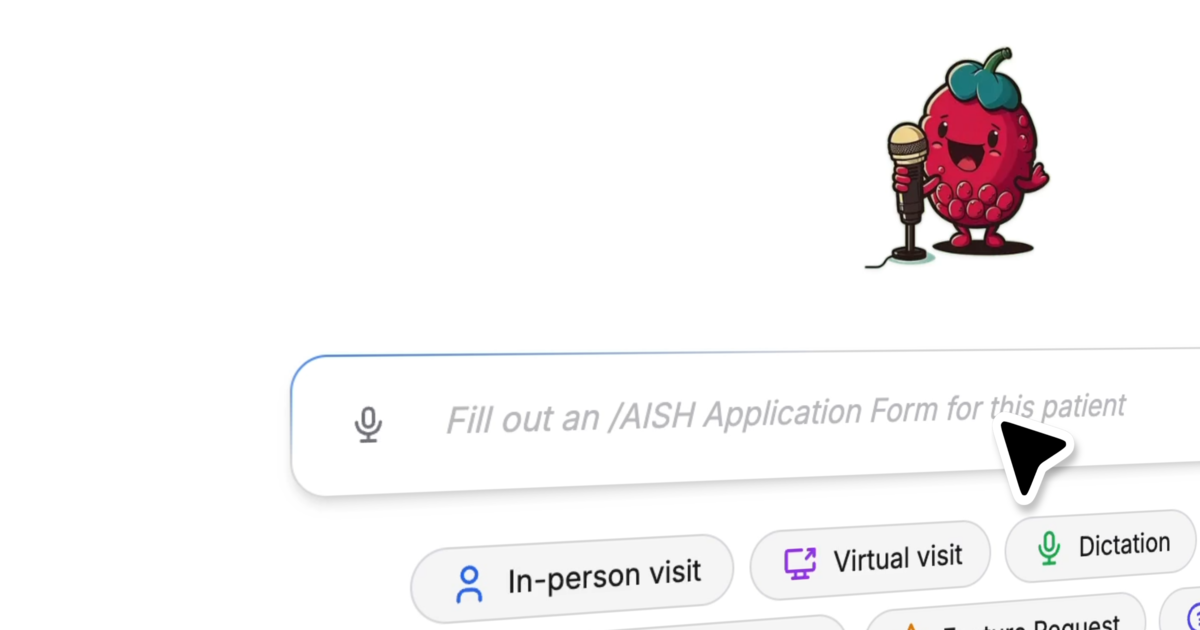
A physician friend once told me she spent more time charting than actually seeing patients — twenty minutes of notes for every visit. So when clinicians in my circle kept mentioning Scribeberry as the AI that writes their notes for them, I dug in. Here’s my honest Scribeberry review for 2026.
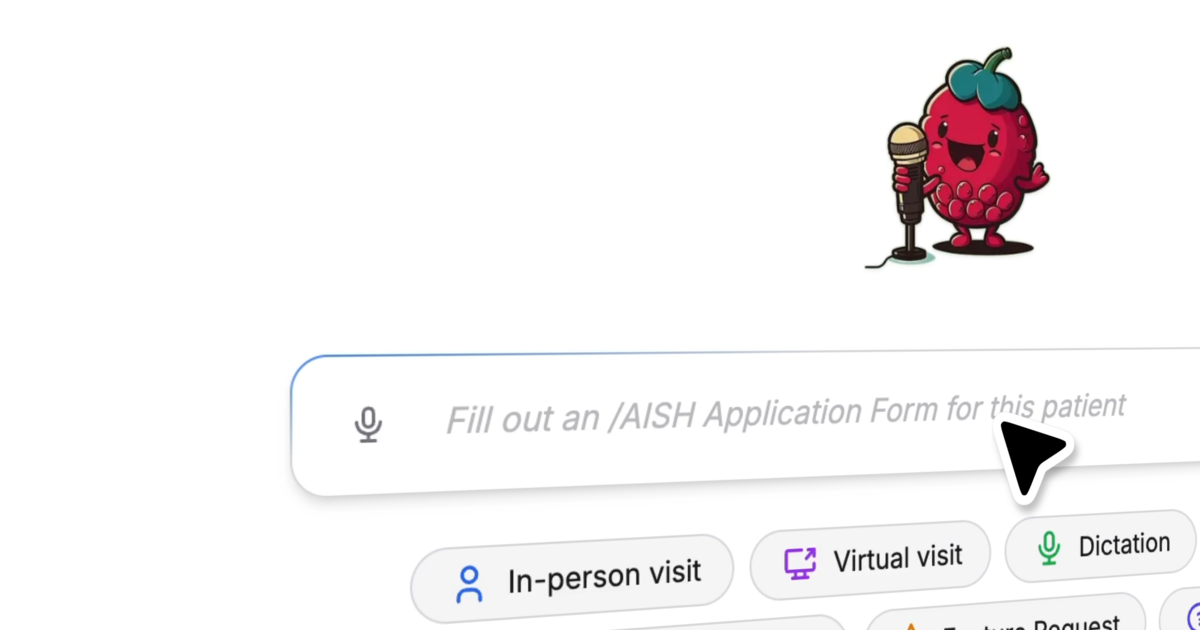
1. What Is Scribeberry?
Scribeberry is an AI medical scribe used by 30,000+ clinicians across Canada and the US. It listens (with consent) to a patient conversation and generates clinical notes, letters and forms automatically, so providers can finish charting in about two minutes instead of twenty. It works with existing EMRs like Oscar, TELUS, Epic, Cerner and Jane, and is HIPAA, PIPEDA and SOC 2 Type II compliant.
2. Who Is Scribeberry Best For?
✅ Busy clinicians drowning in documentation
If charting eats your evenings, ambient AI notes give real hours back. This is the headline use case, and it’s a strong one.
✅ Clinics and hospitals wanting EMR integration
Because it plugs into major EMRs, teams can adopt it without ripping out their existing systems.
✅ Multi-provider practices needing compliance
HIPAA, PIPEDA and SOC 2 Type II certification make it a serious option for practices with strict privacy requirements.
❌ Anyone wanting a diagnostic tool
This documents the encounter — it doesn’t diagnose or make clinical decisions. The clinician stays fully in charge.
❌ Solo users who barely chart
If you write very few notes, the $99/month Pro plan may be more than you need; the free tier is the better start.
3. Core Features Breakdown
3.1 Ambient AI Scribe
The core feature: it captures the visit conversation and turns it into structured clinical notes automatically, drastically cutting charting time.
3.2 Auto-Fill PDF Forms & Letters
Beyond notes, it drafts letters and auto-fills PDF forms, handling the paperwork that usually piles up.
3.3 Custom Templates
You can build custom templates so notes match your specialty and personal charting style rather than a generic format.
3.4 EMR Integration & AI Agents
It works with your existing EMR and adds AI agents plus dictation and transcription, keeping everything in one workflow.

4. Pricing
Scribeberry keeps pricing simple (yearly billing saves 16%): a Free Trial Mode at $0 gives 3 days unlimited then 20 uses/month with basic templates; Pro Mode is $99/month for unlimited everything — unlimited uses, custom templates, dictations, transcriptions and premium support; and Enterprise Mode is $79/user/month for practices of 5+ providers with custom integrations and support. No hidden fees or contracts.
5. Pros & Cons
Pros: Massive charting time savings; works with major EMRs; HIPAA/PIPEDA/SOC 2 compliant; custom templates; genuinely useful free tier; trusted by 30,000+ providers.
Cons: Pro is $99/month; it documents rather than diagnoses; AI-generated notes still need clinician review; heavy value depends on your charting volume.
6. Scribeberry vs Traditional Scribes
A human scribe or manual charting is accurate but slow and expensive — either you pay a person or you spend your own evenings. Scribeberry delivers near-instant drafts at a flat monthly price, integrated with your EMR. Human scribes still have an edge on nuanced judgment, but for speed, cost and consistency at scale, the AI approach is compelling — provided you review each note.
7. Final Verdict: Is Scribeberry Worth It in 2026?
For clinicians buried in documentation, Scribeberry addresses a real, painful problem and does it with the compliance credentials healthcare demands. Cutting charting from twenty minutes to two, while keeping your existing EMR, is a genuine quality-of-life upgrade. At $99/month for unlimited use it pays for itself quickly if you chart a lot, and the free tier lets you test it risk-free. For most busy providers, it’s well worth a trial.
An important note: Scribeberry is a clinical documentation aid, not a diagnostic or decision-making tool, and nothing here is medical advice. Clinicians should always review and verify AI-generated notes for accuracy before they enter the record. Recording patient encounters requires appropriate patient consent, and providers remain responsible for protecting patient health information in line with HIPAA, PIPEDA and local regulations.
Frequently Asked Questions
What does Scribeberry do?
It’s an AI medical scribe that turns patient conversations into clinical notes, letters and forms, integrating with your existing EMR.
How much does Scribeberry cost?
There’s a free tier ($0, 20 uses/month after a 3-day unlimited trial), Pro at $99/month for unlimited use, and Enterprise at $79/user/month for 5+ providers.
Is Scribeberry compliant with privacy laws?
Yes — it is HIPAA and PIPEDA compliant and SOC 2 Type II certified, and providers must still obtain patient consent to record.
Does Scribeberry work with my EMR?
It works with major EMRs including Oscar, TELUS, Epic, Cerner and Jane, among others.
Do I still need to review the notes?
Yes — it’s a documentation aid, so clinicians should always review and verify AI-generated notes for accuracy before finalizing them.
👉 Where to Get Scribeberry
You can start free and explore the plans here: Visit Scribeberry.
Affiliate disclosure: This post contains an affiliate link. If you sign up through it, I may earn a commission at no extra cost to you. I only recommend tools I believe offer real value.